
Starting a delivery career can open stable income opportunities in today’s logistics market. Amazon delivery drivers’ roles continue to attract applicants due to accessibility and steady demand.
You can enter this field without a college degree or specialized certifications. This guide explains roles, salaries, benefits, and the application process so you can prepare with clarity.
Understanding the Amazon Delivery Driver Role
You need to understand daily responsibilities before applying. This helps you evaluate physical demands and schedule expectations.

Primary Job Responsibilities
You handle package deliveries across assigned routes daily. You load parcels, verify labels, and follow optimized delivery routes through apps.
You must meet delivery deadlines while maintaining the package’s condition. Customer interaction is minimal, but professionalism standards remain required.
Work Environment and Schedule
You spend most work hours on the road. Shifts may include weekends, evenings, and peak delivery seasons.
Routes change based on delivery demand and location density. Weather conditions can affect workload intensity.
Types of Amazon Delivery Driver Jobs
Different delivery programs offer varied income structures. Choosing the right one affects schedule flexibility and long-term earnings.
Amazon DSP Delivery Driver
You work under a Delivery Service Partner contracted by Amazon. You drive branded delivery vans and follow fixed schedules.
Average pay ranges from $18 to $25 per hour. Weekly earnings depend on route volume and overtime hours.
Amazon Flex Driver
You operate as an independent contractor. You use your personal vehicle for deliveries. Earnings range from $18 to $30 per hour per block. Fuel, insurance, and maintenance are your responsibility.
Amazon Freight Partner Driver
This role involves long-haul trucking operations. A Commercial Driver’s License (CDL) is required.
Pay ranges from $22 to $30 per hour or up to $80,000 annually. Routes are longer, but compensation is higher.
Basic Requirements to Apply
You must meet entry requirements before submitting an application. These ensure safety, reliability, and legal compliance.
Age and Legal Eligibility
You must be at least 21 years old. Legal work authorization is mandatory. Identification verification occurs during onboarding procedures. Documentation accuracy is essential.
Driver’s License and Record
You need a valid driver’s license. Clean driving history improves approval chances. Motor vehicle checks are conducted. Serious violations may disqualify applicants.
Physical Capability
You must lift packages up to 50 lbs. Frequent walking is required. Stair climbing is common in urban delivery routes. Endurance is necessary for full work shifts.
Step-By-Step Application Process
You should follow structured application steps to avoid delays. Preparation improves approval speed.
- Choose your preferred delivery program based on schedule and vehicle access.
- Submit an online application through the Amazon jobs portal or DSP listings.
- Complete background and driving record screenings.
- Attend interviews or virtual screenings if required.
- Finish onboarding and safety training modules.
Training and First-Week Expectations
Training prepares you for real delivery operations. You learn systems, safety, and routing processes.
Orientation Training
You receive the app navigation instruction. Device scanning procedures are explained. Delivery protocols are reviewed. Safety compliance is emphasized.
Ride-Along Experience
You shadow experienced drivers initially. You observe loading techniques. You practice delivery verification steps. Confidence builds through real route exposure.
Performance Monitoring
Your delivery speed is tracked digitally. Customer feedback impacts performance ratings. Safety metrics are reviewed regularly. Improvement coaching may follow.
Salary Structure and Earnings Potential
Income varies by delivery structure. Understanding pay models helps you choose strategically.
Hourly Vs Block Pay
DSP drivers earn hourly wages. Flex drivers earn per delivery block. Freight drivers earn hourly or mileage pay. Overtime pay may apply.
Weekly Income Estimates
DSP drivers average $700 to $1,000 weekly. Flex drivers average $500 to $900 part-time. Freight drivers exceed $1,200 weekly. Peak seasons increase earning potential.
Bonus Opportunities
Holiday financial incentives are common. Surge pay applies during demand spikes. Attendance bonuses may exist. Safety bonuses reward clean driving records.
Benefits of Working as a Delivery Driver
You gain financial and employment advantages. Benefits depend on the employment structure.
Health and Insurance Coverage
DSP drivers often receive medical insurance plans. Dental and vision benefits may apply. Life insurance options exist. Coverage varies by partner company policies.
Paid Time Off
Vacation days accumulate over employment tenure. Sick leave is provided. Holiday pay may apply. Rest periods improve work-life balance.
Retirement and Savings Plans
401(k) plans are available in many DSP employment roles. Employer contributions may apply. Long-term savings become accessible. Financial stability improves.
Why Many Applicants Choose This Delivery Path?
This section explains job appeal factors. Understanding advantages helps with decision-making clarity.
Low Entry Barrier
You do not need a college degree. Licensing requirements are minimal. Hiring timelines are fast. Training periods are short.
Consistent Delivery Demand
E-commerce growth sustains delivery workloads. Package volumes increase yearly. Route availability remains stable. Job security improves.
Flexible Work Structures
You can work part-time via Flex scheduling. You can pursue full-time DSP roles. Seasonal options exist. Schedule control increases.
Tips to Get Hired Faster
You should prepare strategically before applying. Small improvements increase hiring success rates.
- Maintain a clean driving record consistently.
- Highlight the courier or rideshare experience.
- Demonstrate schedule flexibility.
- Prepare application documents before applying.
- Respond quickly to recruiter communications.
Tools and Technology Drivers Use
Technology supports delivery accuracy and efficiency. You rely heavily on digital systems daily.
Delivery Routing Applications
Routes are pre-sequenced digitally. Stops are optimized for fuel efficiency. Real-time adjustments occur. Navigation errors are minimized.
Package Scanning Devices
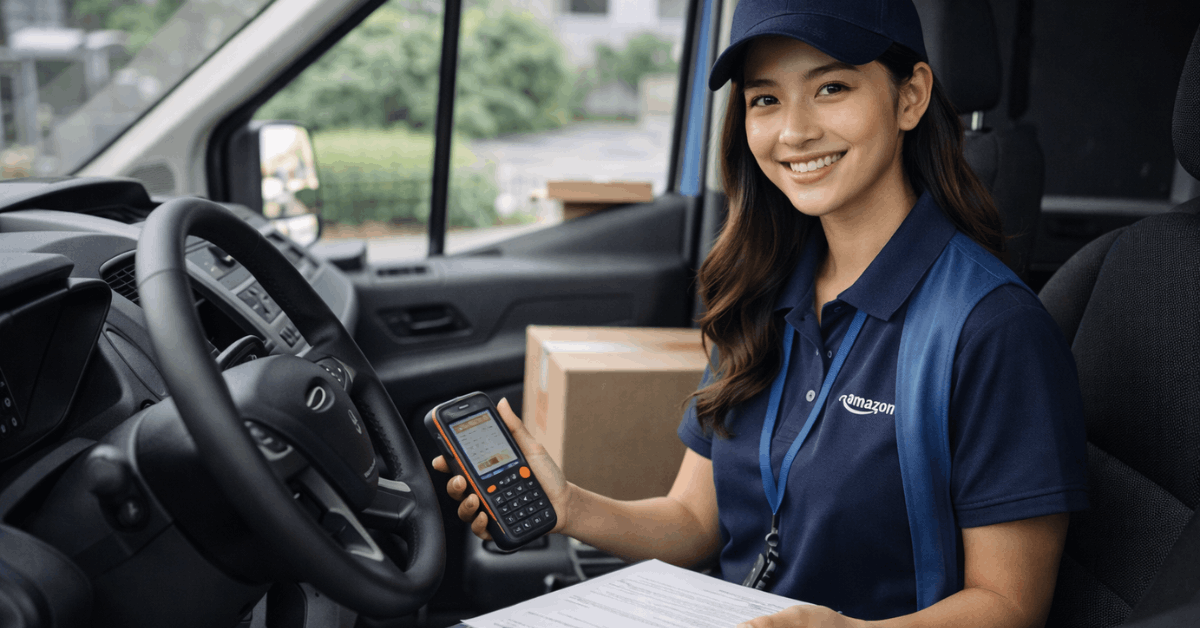
You confirm deliveries through scanning devices. Barcode verification ensures accuracy. Proof of delivery is recorded. Customer disputes have reduced.
Vehicle Safety Monitoring
Cameras monitor driving behavior. Speed compliance is tracked. Harsh braking alerts trigger reviews. Safety performance scores affect evaluations.
Career Growth Opportunities
You can expand beyond entry delivery roles. Logistics pathways offer career advancement.
Dispatcher Positions
You manage driver route coordination. You coordinate delivery schedules. Communication oversight is required. Leadership skills develop.
Fleet Management Roles
You supervise vehicle maintenance operations. You manage driver assignments. Cost efficiency becomes a priority. Operational planning improves.
Logistics Supervisor Careers
You oversee warehouse-delivery coordination. You manage performance metrics. Staffing decisions may follow. Salary potential increases.
Your Next Move in the Delivery Industry
Entering logistics can provide immediate income and long-term stability. Positions for Amazon delivery drivers offer flexible and full-time earning opportunities.
You gain access to benefits, structured pay, and growth opportunities. With preparation and the right program choice, you can begin your delivery career confidently.